
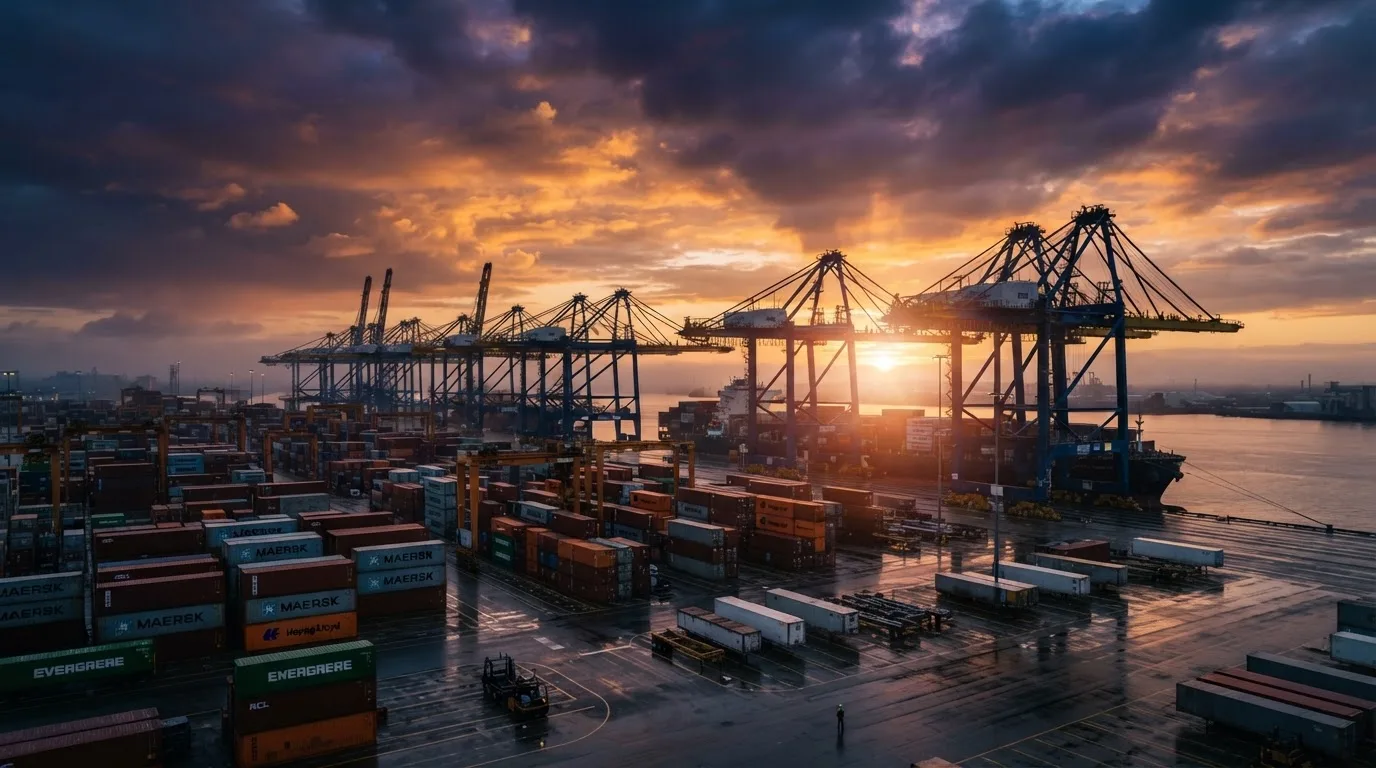
If you’ve been following global trade news this month, you’ve likely seen the headlines flashing red.
Supply chain managers across North America and Europe are keeping a very tight watch on port labor negotiations right now. Between the looming contract expiration for East and Gulf Coast dockworkers in the US, rail labor tensions in Canada, and sporadic warning strikes across key European hubs, the threat of port shutdowns is hanging over the industry like a dark cloud.
In my 13 years in international logistics, I’ve learned one absolute truth: labor disruption is the ultimate ripple effect. A single week of a port standstill doesn’t just delay your containers by seven days—it clogs rail yards, strands chassis, and sends demurrage fees through the roof for weeks after the gates reopen.
If you have goods on the water or factories churning out purchase orders right now, here is an insider’s look at where the biggest port strike risks are brewing this August and how you can protect your cargo before things grind to a halt.
Where the Flashpoints Are Brewing This Month
Understanding where the friction is happening allows you to spot trouble before your bill of lading is signed:
1. US East and Gulf Coast Ports (The ILA Contract Deadline)
The biggest shadow on the horizon is the negotiation between the International Longshoremen’s Association (ILA) and port operators across US East and Gulf Coast gateways. With contract deadlines fast approaching, negotiations have hit roadblocks—primarily over wages and strict boundaries around port automation. A disruption here would impact nearly half of all containerized imports entering the United States.
2. Canadian Railway and Port Networks
Cross-border shippers are facing dual pressure up north. Labor disputes involving major Canadian rail carriers (CN and CPKC) threaten to choke off intermodal connections between Canadian ports like Vancouver and Prince Rupert and the US Midwest, leaving containers stranded on the docks.
3. European Gateway Friction
Over in Europe, warning strikes by dockworkers in major German and UK ports have slowed down yard operations. When containers don’t move off the pier quickly, vessel queues grow, and ocean carriers are forced to adjust schedules on the fly.
The Hidden Costs of a Port Strike
When a port shuts down, the immediate delay is only part of the problem. What really hurts your bottom line are the secondary headaches:
Diverted Cargo Surcharges: Under standard maritime law, if a destination port becomes inaccessible due to a strike, carriers have the right to divert your container to an alternative port. Any additional trucking, rail, or feeder costs to get the cargo back to your final destination fall squarely on your shoulders.
The Demurrage & Detention Trap: Even if a terminal is closed and trucks can’t get in to pick up boxes, destination free time clocks keep ticking in many cases. The resulting daily storage fees can add up to thousands of dollars before you ever get your hands on your cargo.
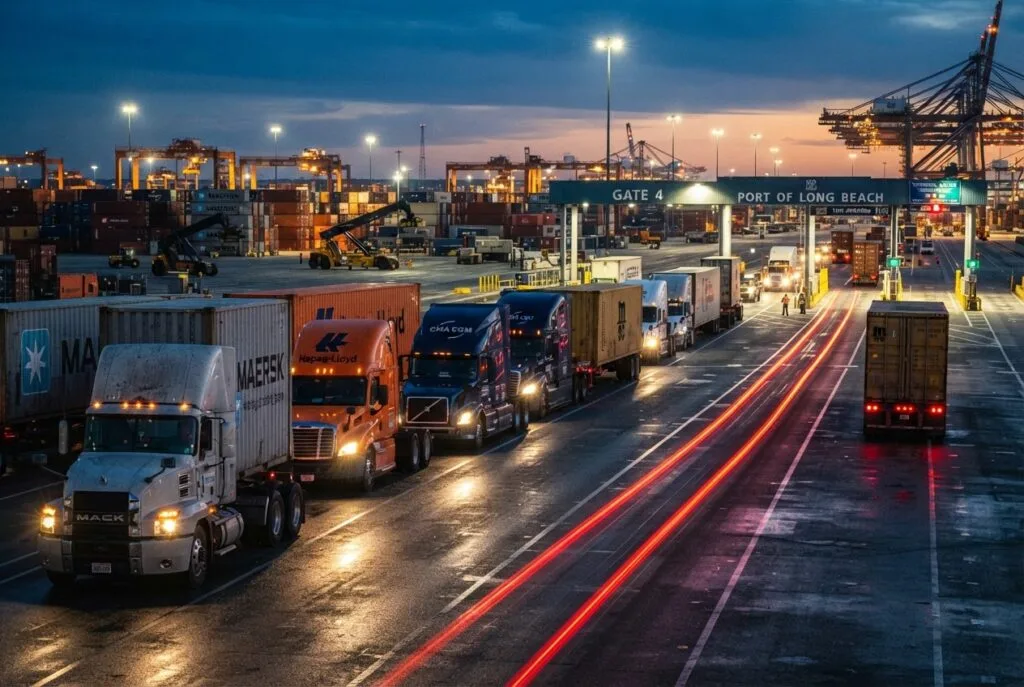
The “West Coast Diversion” Bottleneck: As shippers rush to avoid East Coast uncertainty by shifting cargo to West Coast ports like Los Angeles and Long Beach, those gateways face sudden volume spikes. That means tighter drayage appointments and longer waits at the terminal gates.
4 Battle-Tested Strategies to Protect Your Supply Chain
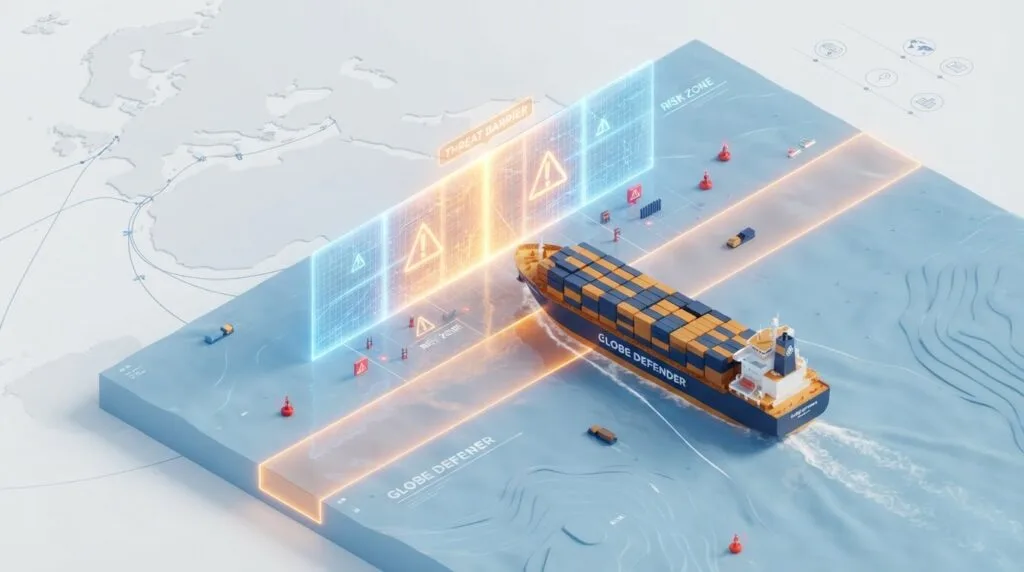
You can’t control labor union negotiations, but you can control your logistics playbook. Here is how I advise my clients to handle labor uncertainty this August:
1. Execute a West Coast & Inland Point (IPI) Reroute
For time-sensitive shipments heading to the US, consider switching your ocean routing to West Coast ports. Combining a West Coast ocean discharge with Inland Point Intermodal (IPI) rail or long-haul truckload to your inland warehouse bypasses East Coast choke points entirely.
2. Negotiate Extended Free Time Upfront
When booking new ocean freight this month, don’t settle for standard destination terms. Work with your freight forwarder to request extended free time (7 to 10 days minimum) at the port of discharge. Having that extra buffer locked into your bill of lading protects you from racking up daily demurrage charges if terminal gates freeze up.
3. Split Your Volume Across Multiple Gateways
Avoid putting all your eggs in one basket. If you’re moving a large purchase order, split the volume across different vessel strings, arrival dates, or alternative entry ports. Spreading out your shipments ensures that a sudden localized strike won’t immobilize your entire inventory at once.
4. Partner with Flexible Local Drayage Providers
Make sure your customs broker and drayage team are set up for Remote Location Filing (RLF) and have access to off-dock yards (near-dock storage facilities). If a port starts backing up, an agile trucker can pull your box out of the congested terminal the moment it hits the pier and store it safely at an off-site yard until your warehouse is ready.
When labor negotiations hit the wire, waiting until your ship is anchored outside a blocked harbor is a recipe for expensive surprises. Taking proactive control of your routing choices today will keep your supply chain resilient while your competitors are stuck in harbor gridlock.
How is your cargo routed for the rest of this month? If you’re unsure whether your current trade lanes are exposed to strike risks—or if you need a quick sanity check on your backup options—reach out to our team anytime. We’re always here to help you navigate the tricky spots.
