If you’ve been paying attention to global trade over the last few years, you know that nearshoring has shifted from a buzzword into a full-fledged operational overhaul. Moving production closer to home—especially into Mexico—sounds like a dream scenario for American importers. Shorter transit times, lower ocean freight dependency, and the tariff advantages of the USMCA. What’s not to love?
As a 13-year international freight forwarding veteran, I can tell you that while nearshoring solves plenty of traditional supply chain headaches, it also creates brand-new ones. Nearshoring isn’t just a matter of changing a supplier address; it’s an entirely different logistics playbook.
If you’re sourcing out of Mexico or planning a transition soon, here’s a real-world look at the cross-border logistics bottlenecks you’ll face and how to keep your freight moving smoothly.
The 3 Main Bottlenecks in US-Mexico Cross-Border Logistics
Geographic proximity doesn’t automatically mean seamless transit. The US-Mexico border is one of the busiest trade corridors on earth, and three main issues cause costly headaches for importers every single day:
1. Severe Border Congestion and Customs Delays
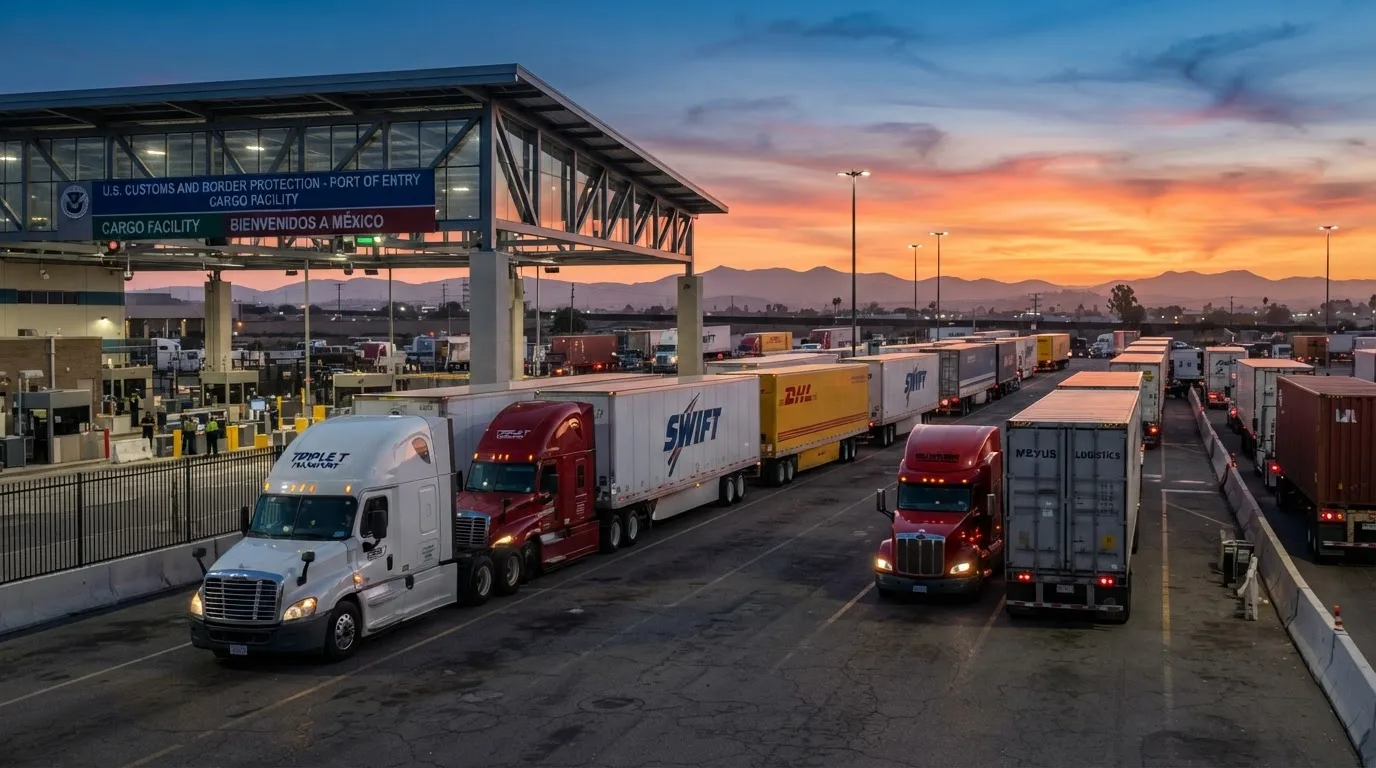
Major commercial crossings like Laredo, Otay Mesa, and El Paso process thousands of trucks daily. During peak trade windows, inspection lanes back up fast. A simple documentation mismatch or a sudden customs security hold can easily turn a 2-hour border crossing into a 3-day parking job.
2. The Cross-Border Drayage and Equipment Shortage
Direct “door-to-door” trucking from a factory in Monterrey to a warehouse in Chicago isn’t as simple as driving straight through. It usually involves a three-leg handoff: a Mexican long-haul carrier, a specialized cross-border drayage driver, and a U.S. domestic carrier. Finding available, reliable drayage equipment at the border when volume spikes is a massive challenge.
3. Intense Scrutiny on USMCA Rules of Origin
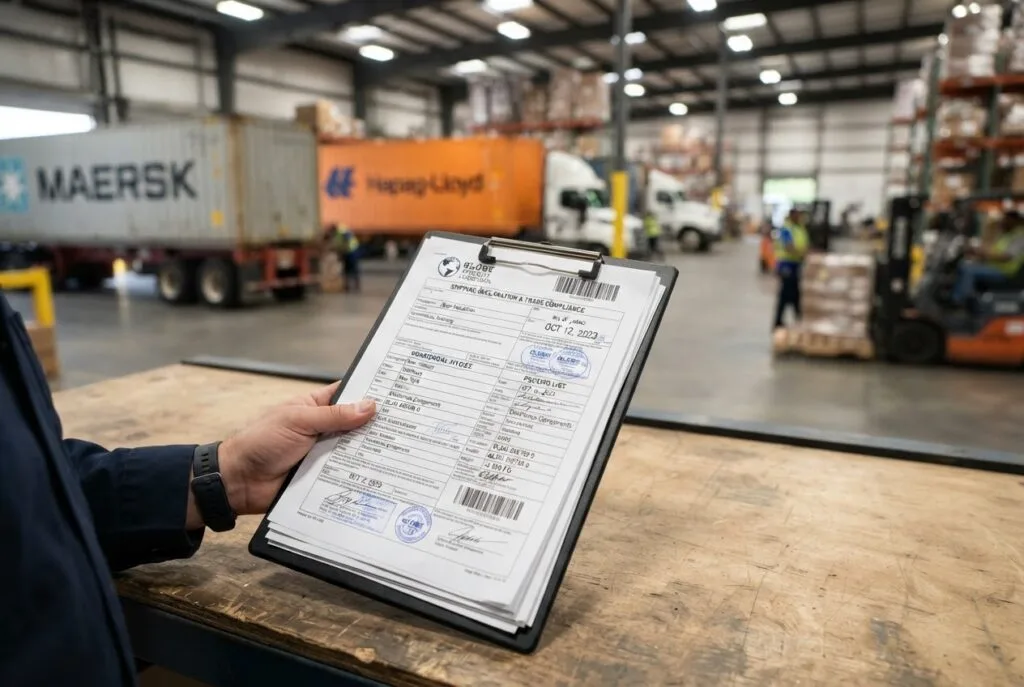
U.S. Customs and Border Protection (CBP) has ramped up enforcement regarding country-of-origin rules. If your Mexican supplier uses raw materials or components imported from overseas, CBP will scrutinize whether the final product truly qualifies for duty-free status under the USMCA. Getting this wrong can mean retroactive tariffs and hefty fines.
4 Battle-Tested Strategies to Mitigate Nearshoring Freight Risks
You don’t have to leave your supply chain to chance. Over the years, I’ve worked with dozens of importers to streamline their cross-border operations. Here are four practical steps you should implement right now:
1. Master USMCA Compliance Before Shipping
Don’t assume a “Made in Mexico” label gives you an automatic free pass on tariffs. Work closely with your supplier and a licensed customs broker to audit your tariff classifications (HTS codes) and regional value content (RVC). Ensure your USMCA Certificates of Origin are 100% accurate before the driver even picks up the load.
2. Partner with C-TPAT and FAST-Certified Carriers
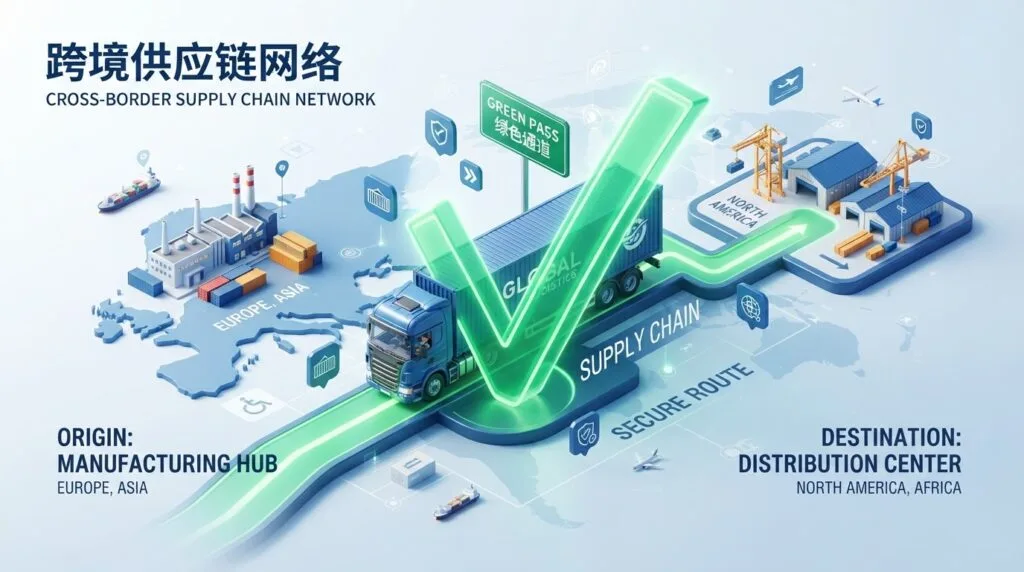
When vetting freight forwarders and trucking partners, look for C-TPAT (Customs Trade Partnership Against Terrorism) certification. Carriers enrolled in the FAST (Free and Secure Trade) program get access to dedicated processing lanes at border crossings, cutting your transit time by hours—if not days.
3. Utilize Strategic Gateway Warehousing
Don’t run your border logistics on a knife’s edge. Establish a buffer strategy using bonded warehouses or transloading facilities near major gateways like Laredo or San Diego. Having storage capacity at the border allows you to transload goods quickly from Mexican trailers to U.S. domestic fleets while cushioning against unexpected customs holds.
4. Implement Real-Time Tracking Technology
Visibility is key when managing multi-leg border transportation. Make sure your logistics provider offers GPS tracking on both the power unit and the trailer. Knowing the exact location of your container in the border queue lets you coordinate warehouse labor and downstream delivery schedules with zero guesswork.
Building a Resilient Cross-Border Strategy
Nearshoring is one of the smartest ways to de-risk your long-term supply chain, but shorter distance doesn’t mean lower complexity. By anticipating border bottlenecks and putting strong compliance, warehousing, and carrier partnerships in place, you can capture all the speed-to-market benefits of nearshoring without the operational chaos.
If you’re currently setting up a cross-border lane or looking to optimize your US-Mexico freight flow, reach out to our team anytime. We’re always here to help you navigate the border with confidence!