
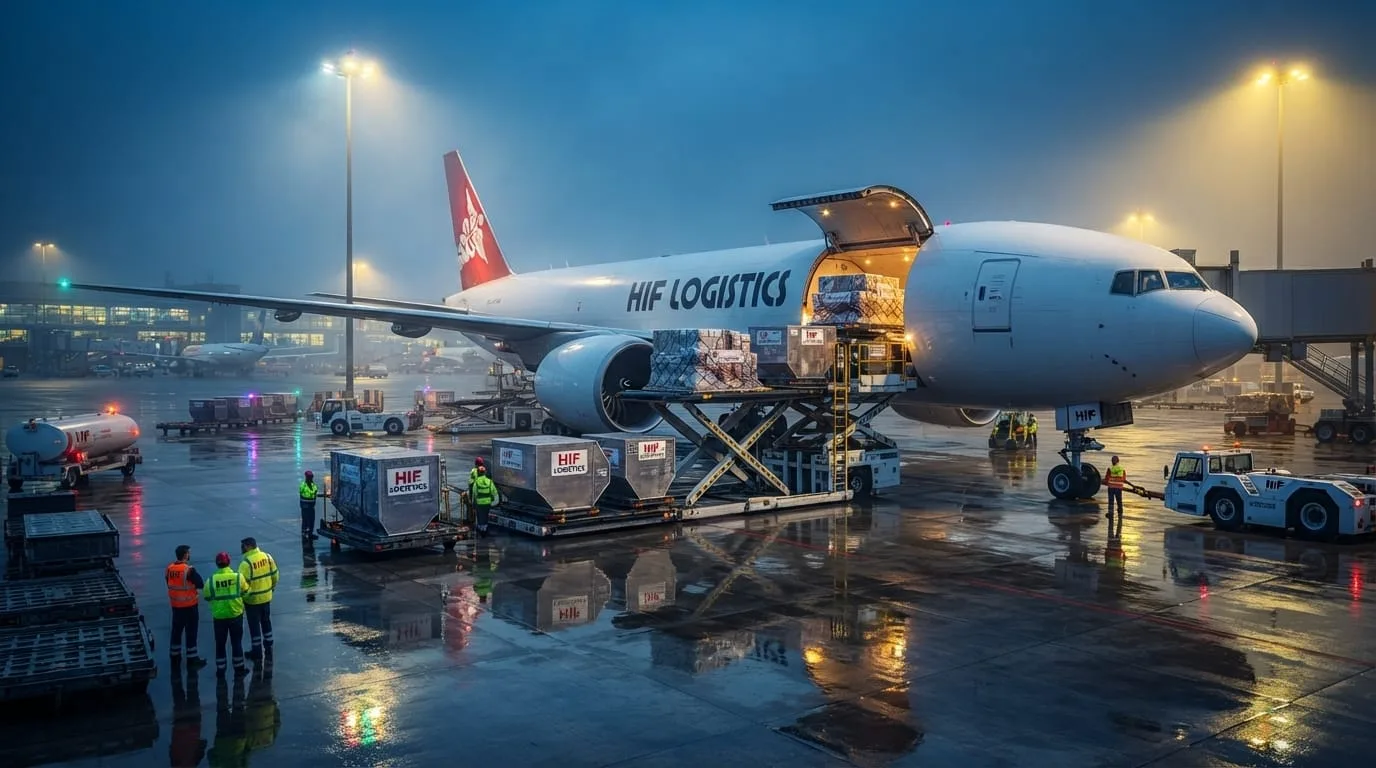
If you’ve been keeping an eye on air freight rates this month, you’ve probably noticed something unusual happening. July is traditionally a summer lull for our industry—a time when general cargo volumes ease up, spot rates cool down, and capacity opens up across major trade lanes.
This year, however, the summer playbook has been completely rewritten.
In my 13 years navigating international logistics, I’ve rarely seen a mid-summer market as tight as the one we’re experiencing right now. Between massive Asian e-commerce volumes and unexpected weather disruptions, air cargo capacity across key transpacific and Europe-bound lanes is under severe pressure. If you’re trying to move high-value goods or time-sensitive freight, here is an insider’s look at what is actually driving this market shift and how you can navigate it.
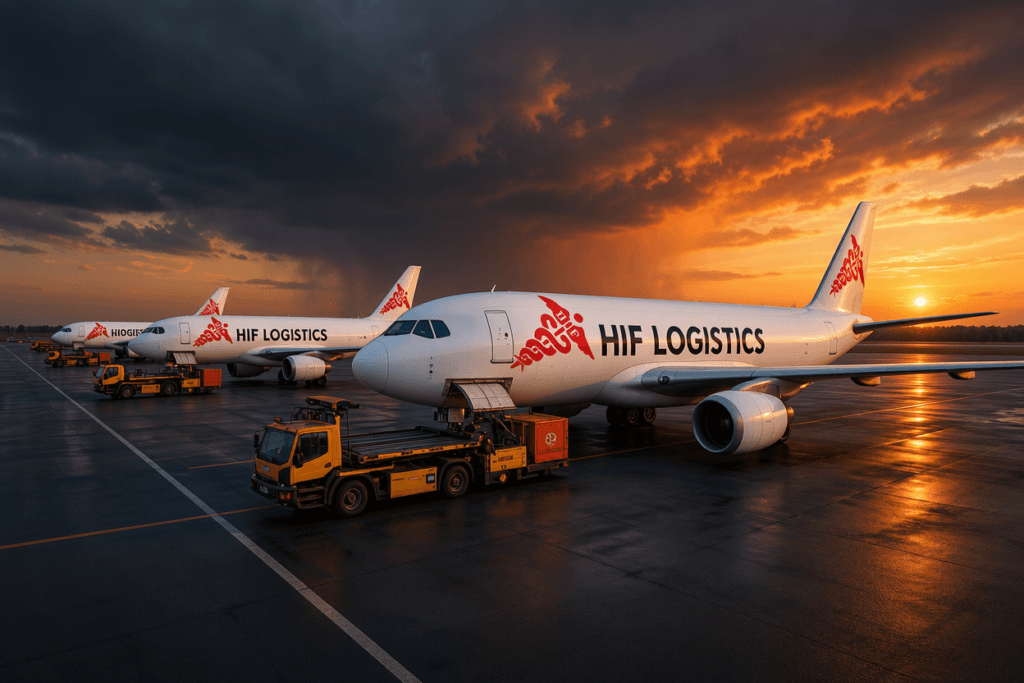
The Driver: E-Commerce Dominance Is Reshaping Air Lanes
The biggest force behind this July rate spike comes down to a fundamental shift in how global retail moves.
Fast-fashion and direct-to-consumer powerhouses like Shein, Temu, and TikTok Shop operate on direct-from-factory, small-parcel shipping models. To keep up with customer expectations and summer promotional pushes like Prime Day, these platforms have bought up massive amounts of air capacity.
In fact, major e-commerce players have spent months securing long-term Block Space Agreements (BSAs) with top freighter operators and commercial airlines. Because they’ve effectively locked down guaranteed space out of key Asian hubs, traditional B2B general cargo—like automotive parts, consumer electronics, and industrial supplies—is getting squeezed out of both maindeck charters and passenger belly space.
Supply-Side Bottlenecks: Bad Weather and Ocean Overflow
It’s not just strong demand choking the air lanes; supply-side disruptions have created a perfect storm this July:
Extreme Weather Hits Key Hubs: Typhoons and severe summer storms across Southeast Asia and Southern China have caused flight delays, ground handling backlogs, and temporary cargo embargos at major gateways like Hong Kong (HKG), Shenzhen (SZX), and Guangzhou (CAN).
The Sea-to-Air Shift: Ongoing ocean shipping delays—driven by tariff rush deadlines and vessel rerouting—have forced desperate shippers to pull goods off the water and dump them into the air market. High-priority orders that can’t afford ocean blank sailings are now competing directly for limited aircraft space.
How to Protect Your Supply Chain Right Now
When cargo capacity gets this tight, running your supply chain on autopilot simply won’t work. Here are three practical steps I recommend to all my clients to keep shipments moving:
Book Further Out Than Usual: Waiting until your goods are ready at the factory floor to book spot space is a recipe for delay. Build in a 10 to 14-day booking window for air freight from Asia right now.
Explore Hybrid Shipping Options: If direct airfreight is budget-prohibitive, look into Sea-Air multimodal solutions through regional hubs (like Dubai or Singapore) or cross-border deferred air services. You’ll save on costs while cutting days off standard ocean transit times.
Optimize Your Packaging: Space is at a premium, and carriers are prioritizing high-density cargo. Work with your suppliers to minimize volumetric weight so your freight stays attractive to airlines evaluating spot bookings.
What we’re seeing in July isn’t just a brief bump; it’s a preview of what the upcoming Q4 peak season will look like. Baseline air freight rates are settling higher than historical averages, meaning early planning is your strongest defense against spiraling shipping costs.
How are your air shipments faring this month? If you’re struggling to find space or need help exploring alternative routes, drop a comment or reach out to our team—we’re always here to help you solve your toughest shipping puzzles.
