

If you recently opened your latest ocean freight invoice and felt a sudden jolt of sticker shock, you are definitely not alone.
Many importers and supply chain managers I talk with are looking at their numbers this month, scratching their heads, and asking: “Base ocean rates seemed relatively stable on paper, so why did my total shipping invoice just shoot through the roof?”
In my 13 years of helping companies navigate the choppy waters of global freight, August has always been a pivotal month. It marks the official frontline of the Q3 shipping rush. But this year, the hidden budget-killer isn’t just a baseline rate jump—it’s the aggressive rollout of mid-summer General Rate Increases (GRIs) coupled with a dizzying menu of Peak Season Surcharges (PSS).
Let’s pull back the curtain on why carriers are squeezing costs right now, where shippers are getting caught off guard, and most importantly, how you can protect your shipping budget from getting eaten alive.
What Is Driving the August Rate Hikes?
Carriers don’t just raise rates out of thin air. The cost spikes we’re seeing this August are driven by a combination of strategic capacity tuning and broader macroeconomic pressures:
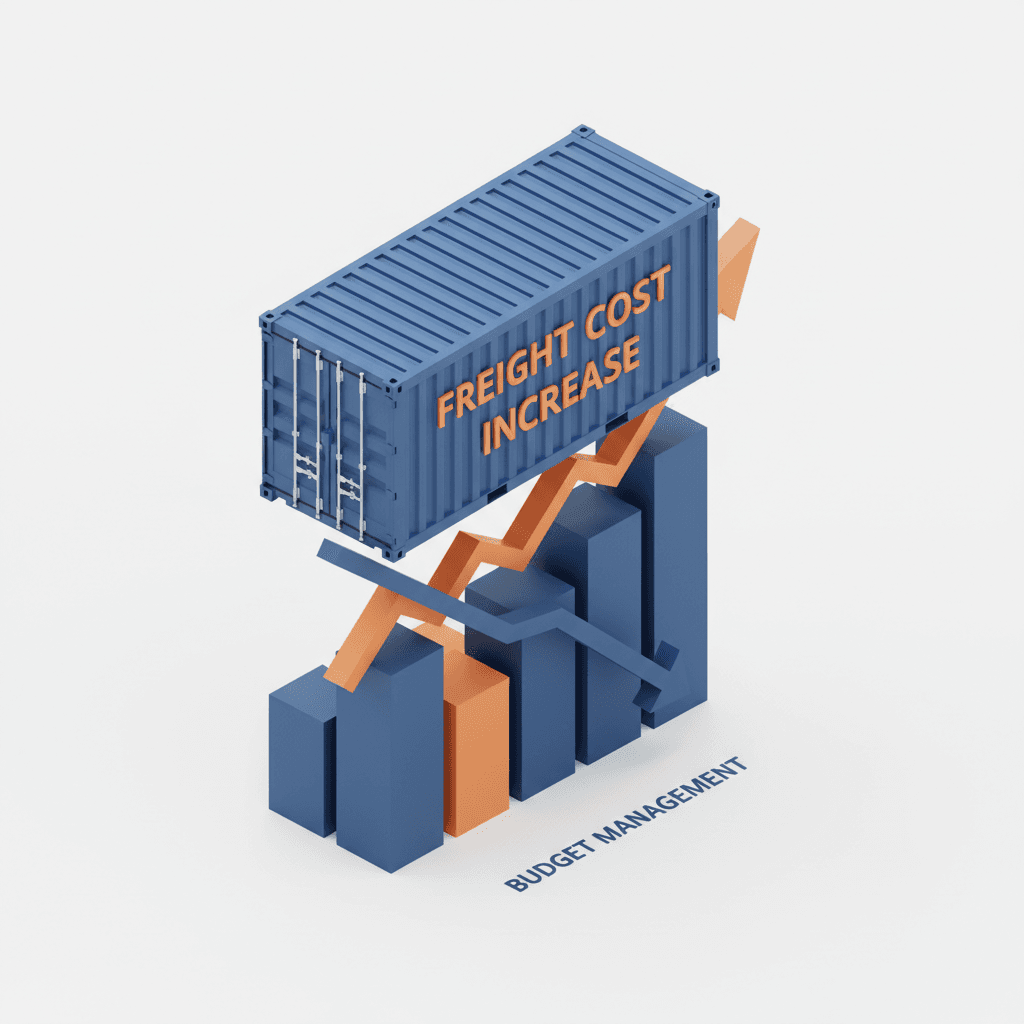
1. Carrier Capacity Management (Blank Sailings)
Carriers have mastered the art of artificial supply control. By strategically pulling vessels off the water—implementing what we in the trade call “blank sailings” or skipped port calls—shipping lines deliberately keep available space tight. When capacity stays artificially scarce, it creates a seller’s market where GRIs stick much easier.
2. Early-Bird Q3 Peak Demand
Retailers across North America and Europe aren’t taking any chances this year. To make sure store shelves and fulfillment centers are fully stocked ahead of Back-to-School sales and the massive Q4 holiday rush, shippers are pulling orders forward into August.
This surge in booking volume gives carriers all the leverage they need to attach heavy peak season surcharges.
3. The Compounding “Rerouting” Effect
The ongoing necessity to bypass regional geopolitical bottlenecks, particularly around the Red Sea, continues to drain global vessel capacity. Adding thousands of extra nautical miles to a voyage burns more fuel, ties up ships for weeks longer, and drives up insurance costs. Carriers are actively passing these operational headaches down to shippers in the form of emergency rerouting and equipment surcharges.
3 Costly “Surcharge Traps” Catching Shippers Off Guard
When ocean freight markets get volatile, the fine print can wreck your profit margins. Here are three major traps I see importers fall into during August:
Fixating on the Base Spot Rate: A quote showing a low base rate looks great on paper—until you realize it excludes half a dozen line-item surcharges. If your quote doesn’t explicitly say “All-In,” expect extra fees for equipment, peak season adjustments, and origin handling to be tacked on later.
Shrinking Quote Validity Windows: Back in quieter months, a rate quote might hold firm for 15 to 30 days. In August, carriers shorten validity periods down to a week—or even a few days. If your supplier delays loading by just 48 hours, your booking might revert to the newest, higher GRI tier.
The High Price of Rolled Cargo: If you book at a rock-bottom rate without space guarantees, your container is at a high risk of getting “rolled”—left behind at the dock for the next vessel. When that happens, getting re-booked often means accepting whatever higher GRI or peak fee is active that week.
Expert Advice: How to Lock Down Your Freight Budget
Navigating August rate hikes doesn’t mean you just have to sit back and take the hits. You can take proactive control of your logistics costs with a few battle-tested strategies:
1. Demand “All-In” Quotes and Lock Upper Limits
Whenever you request pricing from your freight forwarder or carrier, insist on a comprehensive All-In Rate. Make sure the contract explicitly states whether August GRIs and Peak Season Surcharges are already included. Getting full transparency on origin fees, destination charges, and current surcharges upfront ensures zero surprises when the final invoice lands.
2. Balance Your Portfolio (Contracts vs. Spot)
Don’t put all your eggs in one basket. Relying 100% on the spot market during peak season leaves you completely exposed to sudden price spikes. Successful shippers balance their volume: they run a core percentage of their cargo on fixed long-term contract rates to guarantee stability, while using spot bookings to handle overflow volume.
3. Extend Your Booking Window to 3–4 Weeks
If you are still trying to book ocean freight 7 to 10 days before the vessel sails, you are paying a premium. Stretching your booking horizon out to 3 or 4 weeks in advance gives your forwarder the runway needed to secure equipment, lock in pricing before the next GRI cycle, and avoid last-minute rush fees.
4. Maximize Your Container Utilization
When per-container rates go up, your best defense is maximizing container density. Work closely with your overseas vendors to optimize pallet builds, eliminate dead space inside 40HQs, or consider Buyer’s Consolidation (combining smaller orders from multiple vendors into one full container). Loading even 10% more cargo into a container dilutes your freight cost per unit significantly.
Take the Reins of Your Supply Chain
August’s rate hikes and surcharges are an inevitable part of the summer peak shipping cycle, but they don’t have to sink your quarterly numbers. By staying ahead of carrier quote windows, demanding total price transparency, and locking in your bookings early, you can keep your cargo moving without blowing past your budget.
How is your August freight bill looking so far? If you’re looking at a quote and aren’t sure if you’re getting a fair All-In deal, feel free to drop a message or reach out to our team—we are always here to help you make sense of the market.
