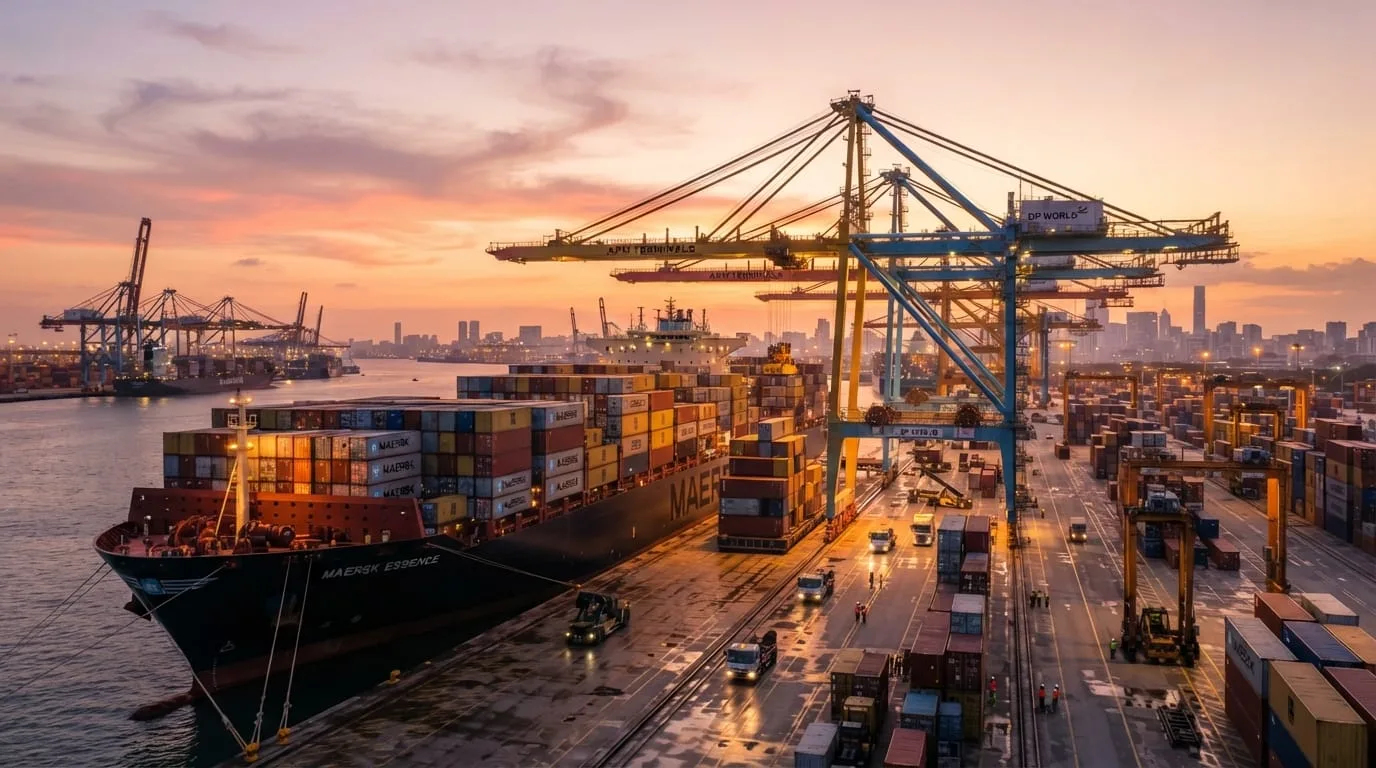
If you’ve been trying to secure container space on US-bound vessels lately, you already know the market feels like an absolute pressure cooker.
Over my 13 years in the international freight industry, I’ve seen my fair share of chaotic peak seasons, sudden port bottlenecks, and rate spikes. But what we’ve been witnessing this July is a unique beast altogether. Spot rates are climbing sharply, 40HQ containers are getting tough to source across major Asian hubs, and shippers are scrambling for any space they can get.
So, what is really driving this early rush, and how can you protect your cargo? Let’s break down what’s happening on the front lines and look at a few practical ways to keep your supply chain moving smoothly.
The Root Cause: A Race Against the Tariff Clock
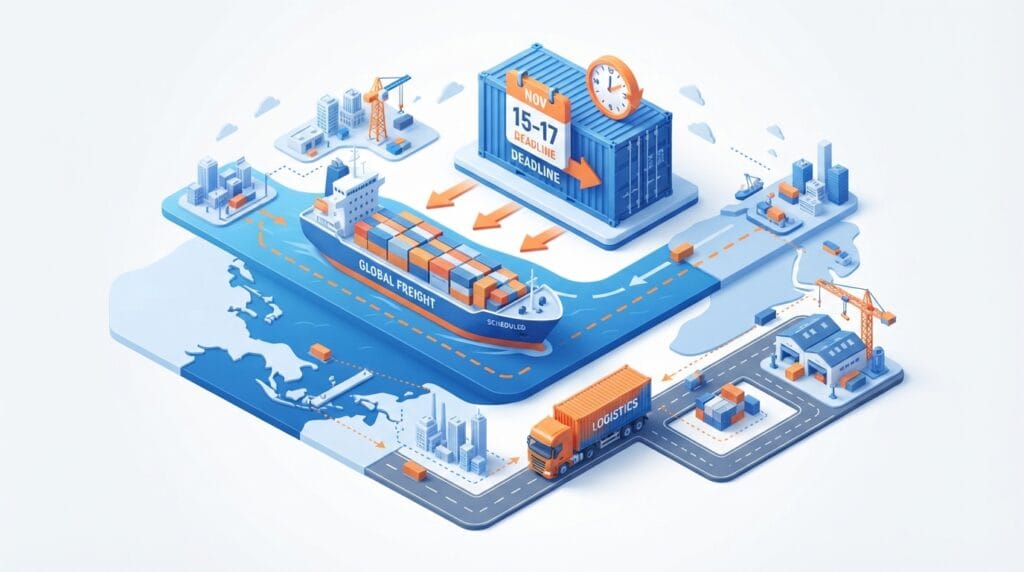
The main force behind this sudden shipping rush isn’t just early holiday prep—it’s a high-stakes race against impending tariff adjustments.
With key regulatory decisions and trade policy reviews taking center stage late this July, importers across North America are taking zero chances. Nobody wants to be caught with a high-value shipment stuck in customs when new duty rates kick in. As a result, businesses are pulling their August and September procurement schedules forward into July.
On top of that, upcoming reviews around the USMCA framework have incentivized companies to move goods quickly through nearshoring hubs like Mexico before tighter compliance rules take effect. It’s a classic case of preventative shipping: paying a bit more in freight now is still far cheaper than paying unexpected tariffs later.
What This Means for Your Cargo on the Water
This sudden rush has created a ripple effect across the entire transpacific trade lane:
Capacity Squeeze: Container lines are shuffling capacity to cover key routes, but the sheer volume has led to severe shortages of 40HQ equipment in major origin ports.
Surging Freight Costs: Between high demand and emergency surcharges, shipping costs have jumped significantly over the past few weeks.
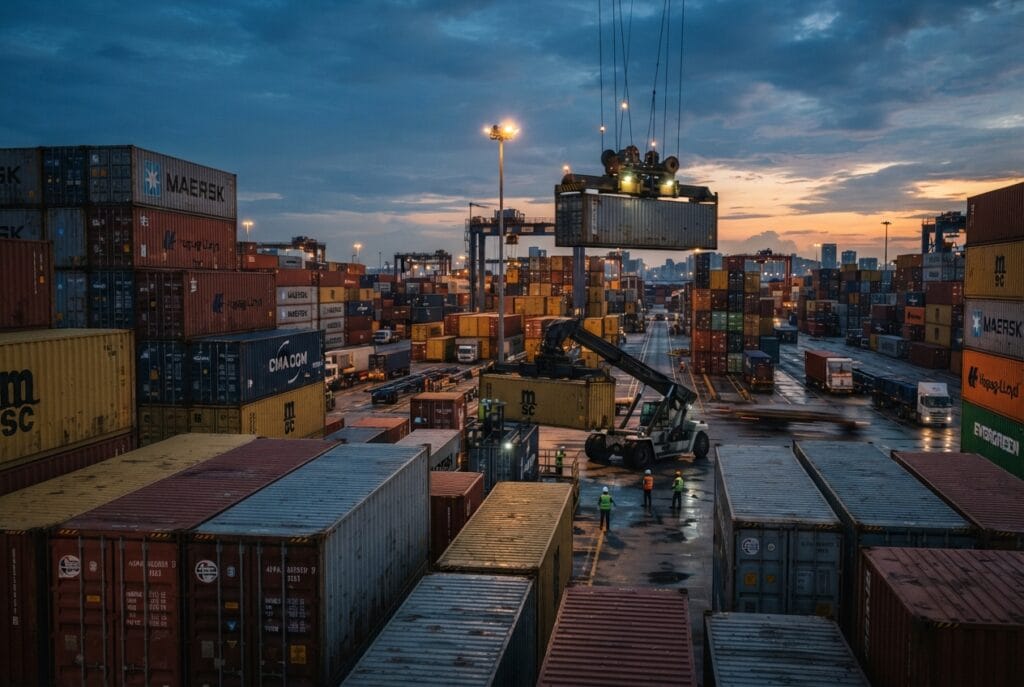
Destination Port Jams: As these vessels hit major US West and East Coast gateways, landside operations are feeling the strain. Chassis availability is tightening, and harbor drayage appointments are filling up fast.
4 Practical Steps to Protect Your Business
When the market gets this volatile, you can’t rely on business-as-usual logistics. Here is how I advise my clients to handle the pressure:
1. Re-evaluate Your IncoTerms and Customs Margins
If you’re shipping under DDP or DDU terms, double-check your contracts today. Make sure it’s crystal clear who covers unexpected tariff changes or unexpected demurrage fees. Always factor in a 5-to-7-day buffer for potential customs holds at destination.
2. Diversify Your Routeing Strategy
Don’t get hyper-focused on the usual high-volume ports like Los Angeles or Long Beach if they’re backed up. Look into alternative gateways, or consider inland point intermodal (IPI) options that move your cargo off the docks quickly via rail.
3. Tap Into Multimodal Solutions
When ocean space is completely booked, explore hybrid options. Cross-border truckload networks through Mexico or sea-air combinations can give you the agility you need without paying full airfreight prices.
4. Lock in Capacity Early
The days of booking a week before departure are temporarily on hold. Right now, you should be planning and securing your space 3 to 4 weeks in advance. Combining long-term contract allocations with spot bookings gives you the best chance of actually getting your boxes loaded.
Navigate this market requires a mix of foresight, flexibility, and a solid logistics partner who knows how to spot trouble before it hits your bottom line. While the current tariff rush has thrown a curveball into the summer shipping season, staying proactive will keep your shipments moving while your competitors are still waiting on dock space.
How is your supply chain holding up this month? Feel free to reach out to our team anytime—we’re always here to help you solve your toughest freight puzzles.