
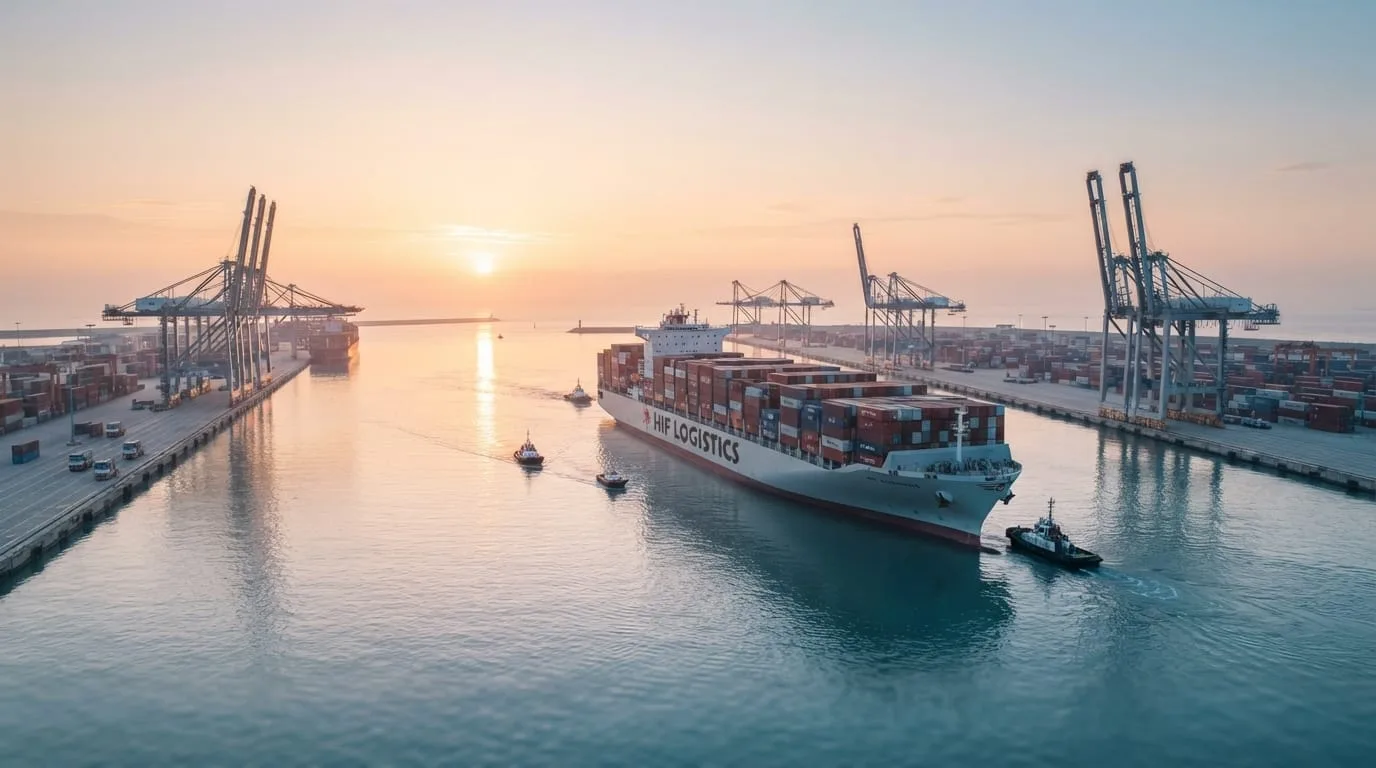
If you import goods from China, you’ve probably been hit with this exact headache: your sea freight quote looked super cheap at first, but the moment your shipment landed at the local port, boom—a surprise invoice landed in your inbox. Terminal fees, handover charges, and unexpected storage costs instantly blew up your budget.
I get it. It’s downright frustrating. As a business owner, you need predictable costs so you can actually protect your profit margins and set your prices with confidence. Getting slapped with surprise destination fees ruins your cash flow and ruins your week.
My name is Allen. After 15 years on the ground handling logistics here in China, I see importers wrestle with this question every single day: Should you stick with traditional FOB, or switch to DDP (Door-to-Door) and let your forwarder take care of the heavy lifting?
Let’s cut through the jargon and talk about what really makes sense for your bottom line.

The Quick Breakdown: FOB vs. DDP
To keep things super simple, here is how these two shipping terms actually play out in real life:
FOB (Free on Board): Your supplier in China only covers costs until your goods are loaded onto the ship. From that second on, you’re on the hook for everything—ocean freight, customs clearance, import duties, and hiring a local truck to bring the goods to your warehouse.
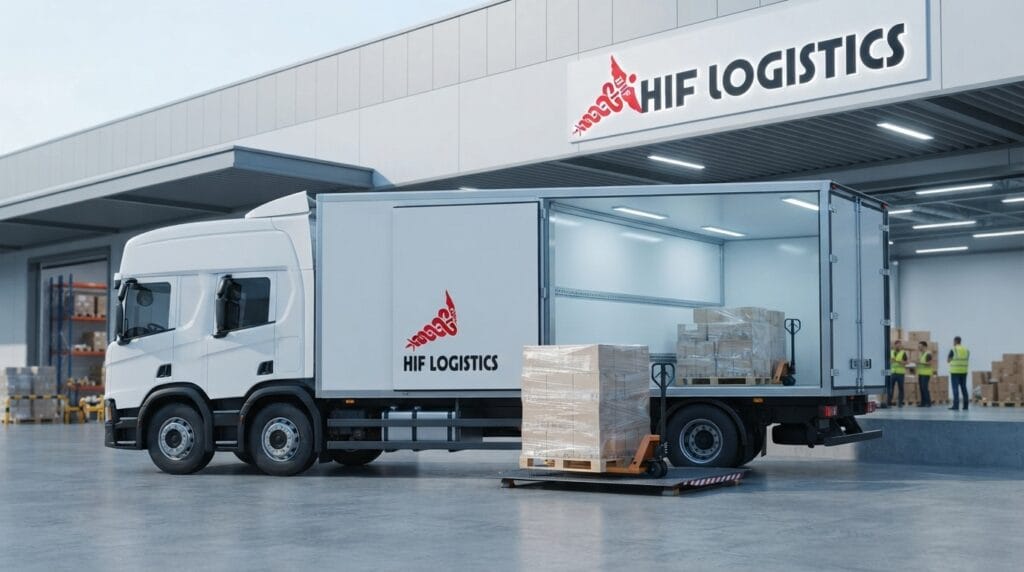
DDP (Delivered Duty Paid / Door-to-Door): The ultimate hands-off, stress-free route. Your freight forwarder handles the entire journey from the factory floor in China straight to your door. Sea freight, customs clearance, taxes, and final delivery are all bundled into one simple, all-inclusive price.
The Hidden Traps of Traditional FOB
FOB works great for massive corporate buyers with big supply chain teams, but for small-to-medium importers, it often leads to unexpected traps:
1. Unpredictable Destination Fees
With FOB, local destination agents love to add extra administrative fees and port charges that were never mentioned in your original quote.
2. Customs Delays and Pricey Penalties
If your import paperwork has even a tiny error—like a wrong HS code—customs will flag your shipment. Sitting at a congested port for just a few extra days can rack up hundreds of dollars in daily demurrage and storage fees.
3. The Math Headache
Tracking down separate invoices from your supplier, the shipping line, customs brokers, and local truckers just to figure out your true landed cost per unit is a huge waste of time.
Why Overseas Buyers Are Switching to DDP
More and more of our clients are switching to DDP door-to-door simply because they want peace of mind:
No Hidden Fee Surprises: You get one clear price before your shipment leaves China. What you’re quoted is what you pay. Period.
Zero Customs Stress: A good freight partner double-checks your product compliance, tax paperwork, and duty rates before the ship leaves port, so your goods fly through customs.
One Person to Call: If anything gets delayed, you don’t have to play phone tag with four different companies. You just reach out to your dedicated freight manager.
So, Which One Is Right for You?
Go with FOB if: You ship dozens of full containers (FCL) every month, have an in-house customs broker, and hold direct contracts with major ocean carriers.
Go with DDP Door-to-Door if: You’re a growing B2B buyer or e-commerce brand that wants to eliminate logistics headaches, avoid destination surprises, and focus on selling your products.
Shipping from China shouldn’t feel like a guessing game. At the end of the day, the best logistics setup is the one that lets you sleep well at night and grow your business.
If you’re tired of surprise port bills or just want to see how your current shipping costs stack up against a clear, all-in DDP quote, reach out to us today. Let’s make your shipping hassle-free!
