
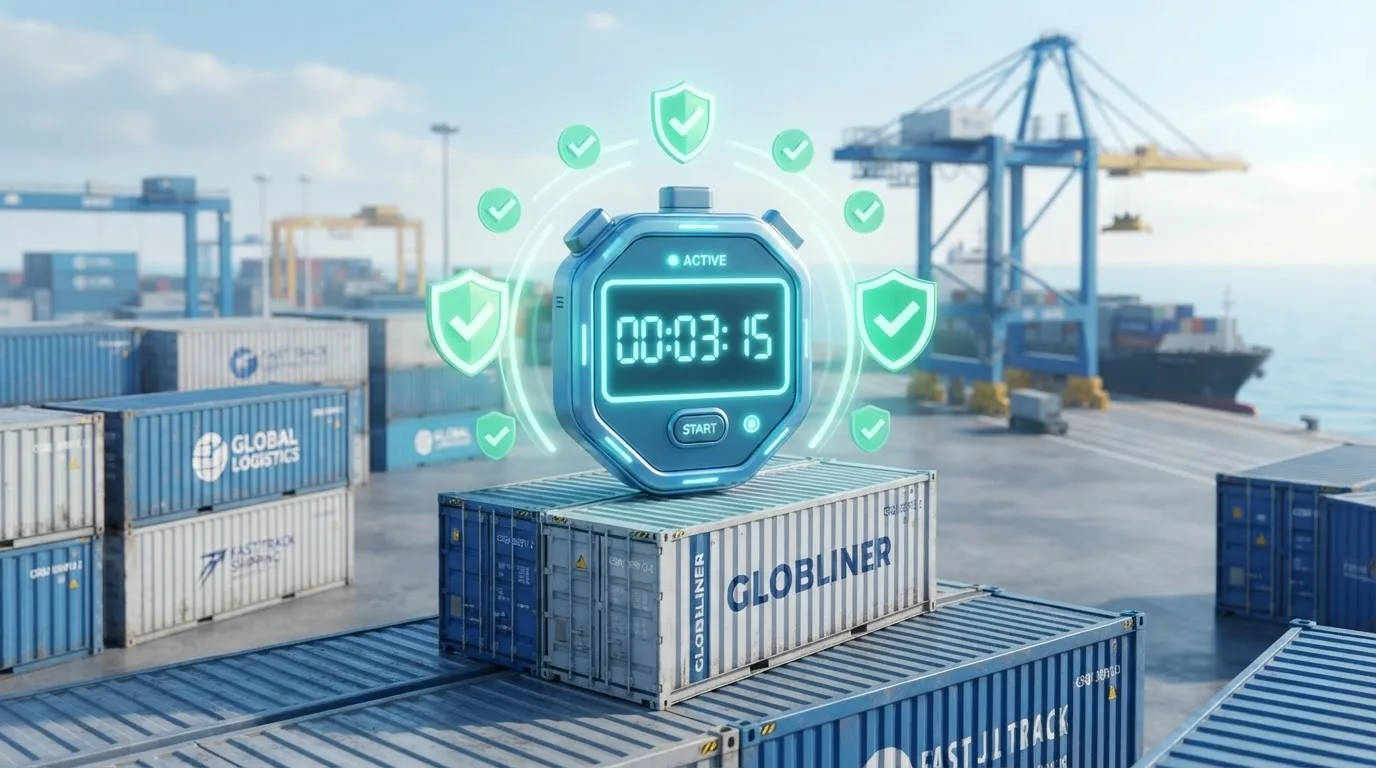
After 13 years in international freight forwarding, I’ve seen almost every supply chain head-scratcher you can imagine. But if there’s one thing that pains me to see, it’s watching an importer get hit with a massive, unexpected invoice for container demurrage—especially when it was completely preventable.
August marks the kickoff of the peak shipping season. Ports get congested, vessel schedules tighten, and ocean carriers enforce strict free-time limits. If your container sits at the terminal past your allowed 3 to 5 free days, daily demurrage charges kick in fast—often running anywhere from $150 to over $400 per day per container. The most frustrating part? A huge chunk of these fees stems directly from avoidable customs compliance holds.
Here is how you can protect your cargo, stay fully compliant, and avoid paying unnecessary demurrage fees this month.
Why Customs Holds Trigger Demurrage
When U.S. Customs and Border Protection (CBP) or local authorities flag a shipment for a document review or physical inspection, the clock on your port free-time does not pause. Ocean carriers and terminal operators rarely waive daily storage penalties while customs completes an exam.
In my experience, customs holds usually happen for three routine reasons:
Inaccurate HTS Code Classifications: A misplaced digit or incorrect tariff description on your commercial invoice triggers automated risk flags.
Delayed Pre-Filing Data: Late or incomplete Importer Security Filings (ISF).
Valuation Mismatches: Discrepancies between your commercial invoice, packing list, and bill of lading.
When a hold occurs during heavy August port traffic, clearing it can take several days—and every single extra day comes straight out of your profit margin.
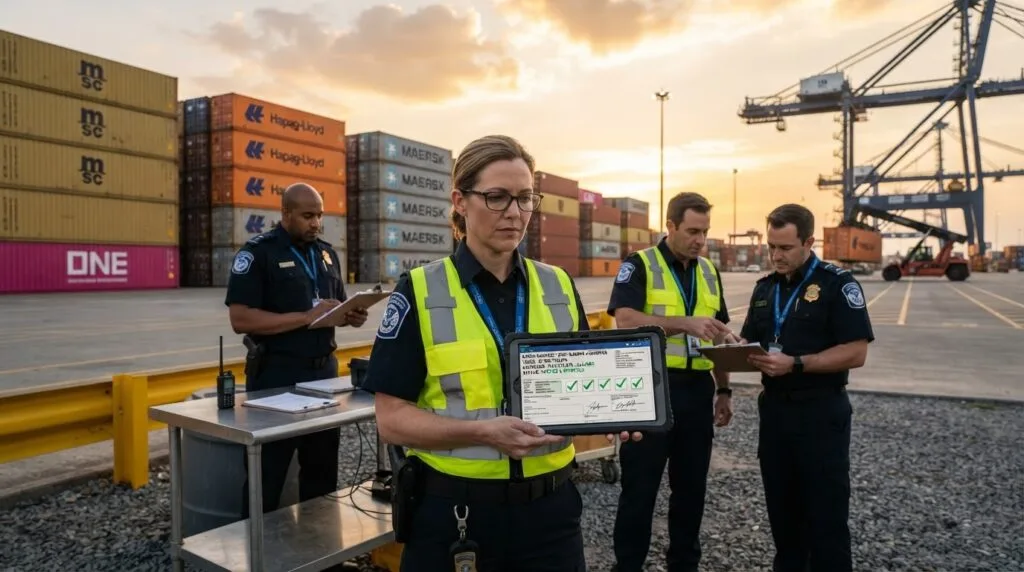
4 Actionable Steps to Avoid Demurrage Fees
To keep your cargo moving smoothly through port terminals this peak season, build these four compliance practices into your workflow:
1. Execute Pre-Clearance Documentation Early
Never wait until the vessel anchors to submit your entry documentation. Work with your customs broker to file your ISF at least 24 to 48 hours before loading at the origin port, and submit your entry summary well prior to arrival. Pre-clearing gives you a runway to fix missing data before the container touches the dock.
2. Audit Your Tariff Classifications
A single misclassified HTS code can stall an entire container. Audit your product catalog before peak season starts. Verify that product descriptions, country-of-origin markings, and tariff codes strictly align with current customs regulations.
3. Negotiate Extended Free-Time Ahead of Time
Don’t accept standard carrier free-time terms as set in stone. Before booking high-volume shipments for August and September, negotiate for 7 to 10 days of container free-time directly with your ocean carrier or freight forwarder.
4. Partner with a Proactive Customs Broker
A great customs broker doesn’t just process paperwork—they monitor customs status codes in real time. If an administrative hold pops up, a proactive team responds immediately to upload required documents before the terminal’s free-time clock expires.
What to Do If Your Container Gets Flagged
If your container is flagged for inspection at the terminal, act immediately. Ask your broker for the exact customs hold type (such as a Document Review, VACIS exam, or Tailgate exam). If a physical inspection is required, coordinate right away with authorized exam facilities to schedule cargo movement without waiting for automated batch processing. Fast, direct communication often saves two to three full days of storage penalties.
Navigating peak season logistics doesn’t have to feel like a high-stakes gamble. By treating customs compliance as a strategic cost-saving tool rather than an administrative chore, you can protect your bottom line and keep your supply chain running without costly surprises.
If you’re facing an upcoming shipment and want to review your pre-clearance workflow, reach out to our team. We’re always here to help you keep your freight moving.
