
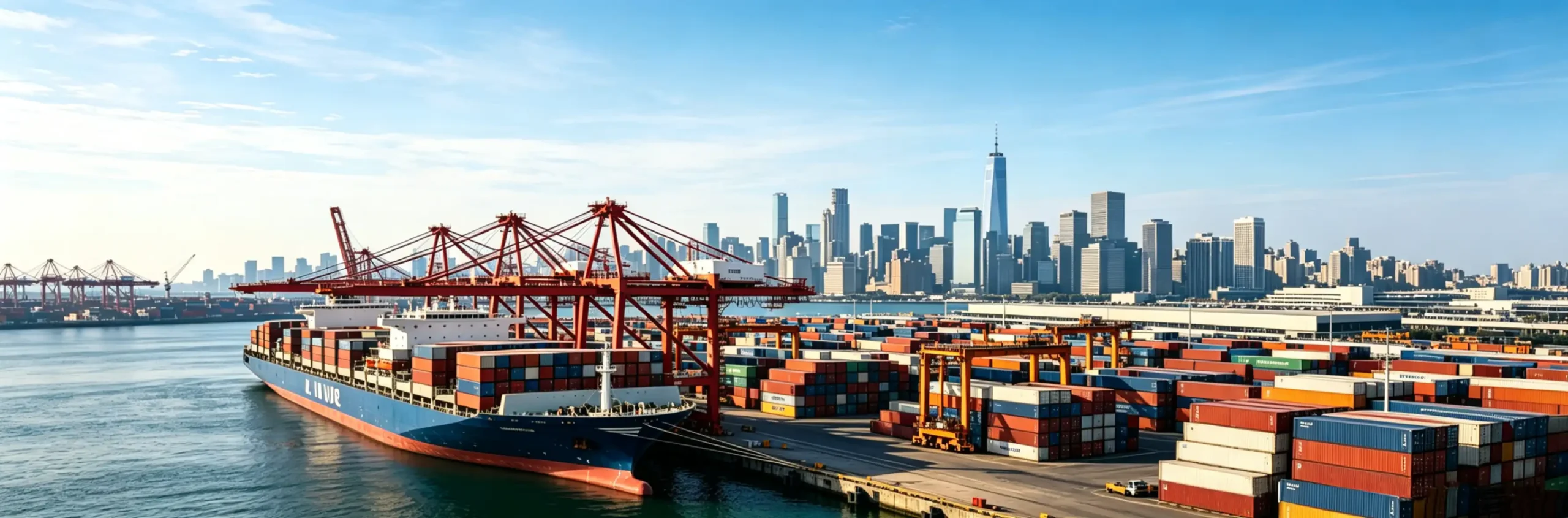
As a Chinese Freight Forwarder company with over a decade of experience, we interact daily with hundreds of global B2B enterprises looking to scale their operations, cut production costs, and diversify their product lines.
However, through these collaborations, we have found that one of the biggest challenges facing small businesses is navigating the complex international logistics landscape. From volatile shipping rates and intricate tariff regulations to the risks of hidden fees and communication delays, supply chain issues can quickly become a major source of stress.
To ensure healthy profit margins and smooth business operations, companies must make two critical decisions: selecting the most cost-effective shipping method for their specific cargo and partnering with a trustworthy, capable freight forwarder in China.
That is why we at HIF LOGISTICS have created this simple guide to break down these two aspects for business owners new to importing from China, helping you understand the framework for optimizing your logistics strategy.
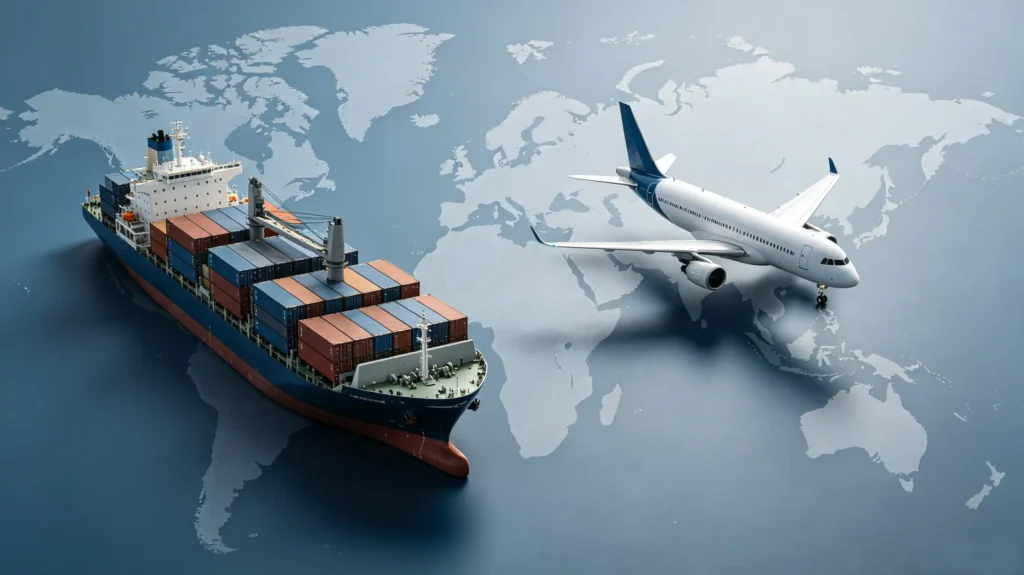
How to Determine the Best Shipping Method for Your Cargo
To be honest, there is no “one-size-fits-all” shipping solution when importing from China. The ideal shipping method depends on your budget, cargo volume, product characteristics (such as fragility or time sensitivity), and delivery urgency. Therefore, we first need to understand the pros and cons of different shipping modes to make an informed initial choice.
Sea Freight: The Cornerstone of Global Trade
Sea freight is the most common logistics method for imports from China, handling the vast majority of international cargo volume. It offers significant cost advantages, especially when transporting large volumes or heavy goods over long distances.
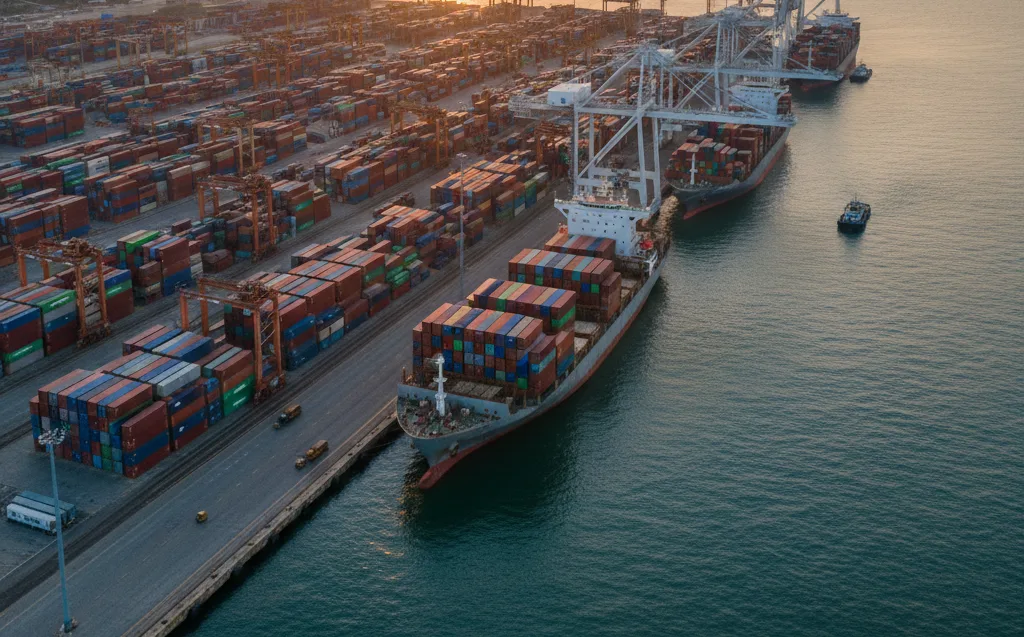
Full Container Load (FCL): If your shipment is large enough to fill a standard 20-foot or 40-foot container, FCL is the most efficient choice. You pay a fixed rate for the container; furthermore, because the container remains sealed from the supplier’s facility to your warehouse, the risk of cargo damage is relatively low.
Less than Container Load (LCL): For smaller shipments that do not fill an entire container, LCL allows you to share container space with other importers. While highly cost-effective for mid-sized shipments, this method typically involves more handling steps and requires several additional days for consolidation (grouping cargo) and deconsolidation (breaking down shipments) at port terminals.
Sea Freight: The Cornerstone of Global Trade
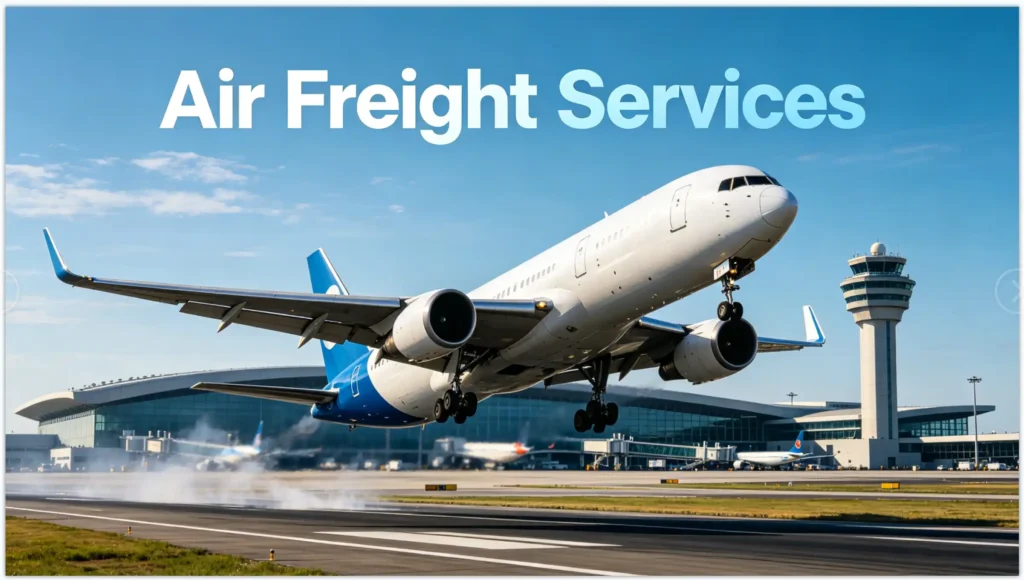
We strongly recommend air freight as your primary choice when procurement timelines are tight or products need to hit the shelves quickly. It is ideal for high-value goods, seasonal products with short sales windows, lightweight electronics, and urgently needed replacement parts. Although air freight offers transit times measured in days rather than weeks, it comes at a relatively high cost.
Shipping rates are calculated based on “chargeable weight” (a metric derived from a formula balancing actual weight and volumetric weight). Consequently, we do not recommend air freight for bulky, low-value goods, as it is not cost-effective.
Rail and Road Freight: A Balanced Alternative
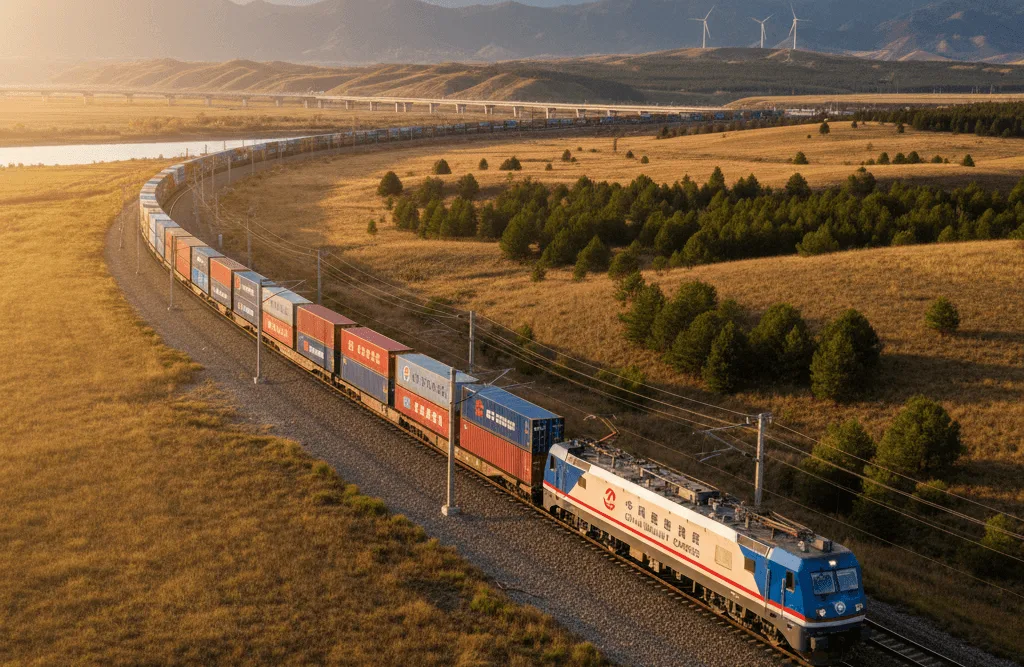
For businesses importing goods into Europe, Central Asia, or neighboring cross-border regions, we highly recommend rail and road transport as an excellent compromise. Cross-border rail freight is significantly faster than ocean shipping and far less expensive than air freight, making it an ideal buffer against seasonal logistics disruptions.
Key Criteria for Selecting a Freight Forwarder in China

Once you have determined the best shipping method for your needs, the next step is to select a freight forwarder based in China.
We recommend choosing a local partner: they operate in the same time zone as your manufacturer, speak the local language, are familiar with local customs regulations, and can intervene on-site to resolve supply chain crises.
However, given the highly fragmented nature of the freight forwarding market, you need to filter out unreliable intermediaries. Ensure your potential partner meets the following five key criteria:
Official Credentials and Global Network:
Verify whether the forwarder holds an NVOCC (Non-Vessel Operating Common Carrier) license. Additionally, check if they are a certified member of reputable international logistics alliances such as WCA (World Cargo Alliance) or JCTrans. Membership in these organizations indicates verified financial stability and access to a trusted agent network at your destination port, ensuring smooth customs clearance and “last-mile” delivery.
Complete Price Transparency:
A common industry pitfall is “hidden fees”—forwarders may provide an initially low quote but later withhold your cargo at the destination port, citing unexpected surcharges.
To be frank: a professional logistics provider will offer a comprehensive, itemized cost breakdown upfront, allowing you to keep your budget fully under control.
Comprehensive Supply Chain Capabilities:
Modern import operations involve more than just moving goods from Point A to Point B. You often need to consolidate shipments from multiple factories and handle precise product labeling, repackaging, and secure warehousing.
Whenever possible, choose a forwarder that offers integrated supply chain services to save significant time and labor.
Strict Quality Control and Inspection:
Discovering defects only after your goods have been shipped across the ocean can result in massive financial losses. Many top-tier forwarders offer factory and product inspection services at the point of origin, identifying potential issues before the goods leave China and thereby saving you money.
Year-Round Capacity Assurance and Contracted Rates:
During peak shipping seasons (such as the rush before the Lunar New Year), cargo space is often in short supply, and spot rates can skyrocket. An experienced freight forwarder maintains direct, long-term partnerships with shipping lines and airlines, ensuring stable cargo space and fixed schedules—even during periods of market volatility.
Optimize your logistics processes with professional oversight.
Partnering with HIF Logistics allows you to offload the burden of tedious administrative tasks. You no longer need to juggle multiple suppliers, customs brokers, and local truckers; HIF assigns a dedicated account manager to handle everything for you. This specialist will track your shipment from start to finish, provide proactive status updates, and ensure full regulatory compliance for your business.
Whether you are an established enterprise importing dozens of containers monthly or an emerging B2B merchant building your first supply chain, our reliable, communicative team in China offers you a significant competitive advantage.
Are you ready to optimize logistics costs and secure reliable shipping space for your next import from China? Visit China HIF Logistics. You can easily submit shipment details—such as product description, weight, volume, and destination—via our online form. Simply head to the “Get a Quote” page, and our logistics experts will proactively contact you via WhatsApp or email within 24 business hours to provide a tailored, comprehensive shipping solution and a completely free quote.
