
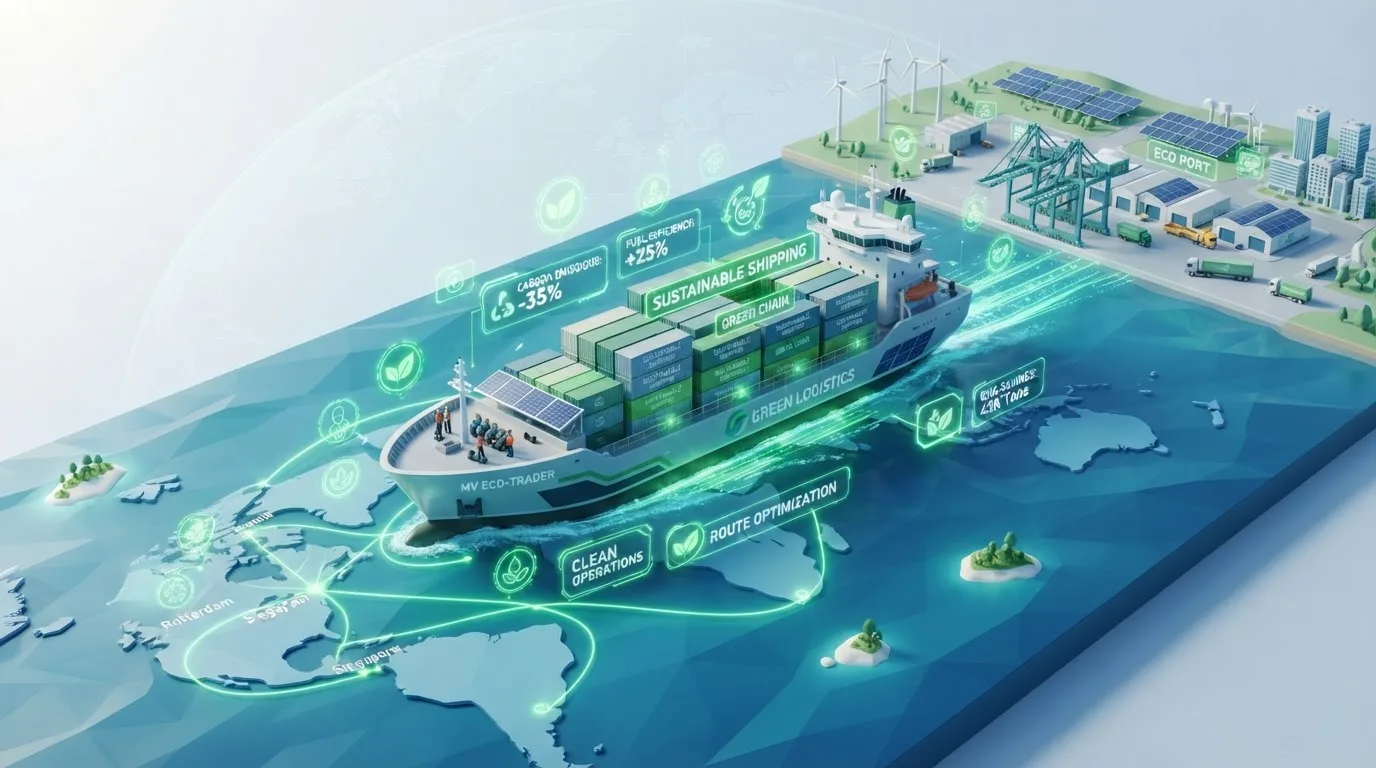
If you’ve taken a close look at your ocean freight invoices recently, you’ve probably noticed a few new or higher line items tagged with terms like “EU ETS,” “Green Surcharge,” or “Biofuel Adjustment.”
In my 13 years in international logistics, I’ve seen my fair share of carrier surcharges come and go. But environmental compliance fees are different. They aren’t temporary spikes caused by a quick port delay; they represent a permanent structural shift in how ocean freight is priced. Now that 2026 regulations require 100% carbon allowance coverage under the EU Emissions Trading System (EU ETS) and stricter Scope 3 reporting across global supply chains, green maritime mandates are hitting company bottom lines in a real way.
If you are an importer or supply chain director trying to make sense of these new environmental line items, here is an insider’s breakdown of what’s driving these costs and how you can keep your freight budget under control.
What Is Driving the Surge in Green Shipping Fees?
Carriers are passing regulatory compliance costs directly down the chain. Understanding the drivers behind these surcharges helps you evaluate whether your quotes are fair:
1. Full EU ETS Implementation
Under the EU Emissions Trading System, ocean carriers must purchase carbon allowances for greenhouse gas emissions generated by ships calling at European ports. While previous years phased this in gradually, 2026 marks 100% full coverage. Furthermore, regulations now track additional gases like methane and nitrous oxide, driving up the total cost of allowances ocean lines must buy.
2. Low-Carbon Fuel Mandates
International maritime regulations increasingly mandate the use of cleaner, low-emission fuels like bio-LNG or green methanol. Because alternative fuels cost significantly more than traditional heavy fuel oil, carriers apply “Green Fuel” or “Biofuel Surcharges” to cover the price delta across major trade lanes.
3. Corporate Scope 3 Reporting Demands
It’s not just governments pushing for change; enterprise buyers and major retailers now require their vendors to report verified, end-to-end carbon emissions data (Scope 3 supply chain emissions). Ocean carriers and forwarders are upgrading their tracking software to provide this data, but passing those infrastructure costs along in freight quotes.
4 Practical Steps to Manage Green Freight Costs
Environmental compliance doesn’t mean you just have to accept bloated freight bills. Here are four practical, battle-tested tactics I share with clients to protect their budgets while staying compliant:
1. Audit Your Line-Item Environmental Fees
Don’t accept a vague “All-In” rate that hides inflated green surcharges. Ask your freight forwarder for an itemized breakdown. Make sure the EU ETS or green fuel surcharge matches official carrier index rates for that specific trade lane rather than a marked-up estimate.
2. Optimize Container Density to Lower Per-Unit Footprints
The math on Scope 3 carbon accounting is simple: the more product you fit into a single container, the lower the carbon footprint—and the lower the green surcharge—per individual item. Work with your suppliers to eliminate dead space in boxes, optimize pallet stacking, and maximize 40HQ volume utilization.
3. Request Standardized Emission Data Reports
Instead of manually calculating your carbon footprint at year-end, insist that your logistics partners provide automated emissions reports aligned with the GLEC (Global Logistics Emissions Council) framework. Getting structured data upfront saves dozens of hours in administrative auditing and ensures you satisfy customer Scope 3 mandates effortlessly.
4. Evaluate Biofuel “Insetting” Programs Wisely
Many ocean carriers now offer biofuel “insetting” options, where you pay a premium to fund green fuel on a carrier’s fleet in exchange for verified carbon reduction certificates. If your buyers demand net-zero shipping, evaluate these programs carefully against your overall freight budget to ensure you’re getting legitimate, recognized carbon credits.
Balancing Sustainability with Your Bottom Line
Green shipping compliance isn’t going away, but it doesn’t have to derail your quarterly profitability. By demanding invoice transparency, maximizing container space, and collecting clean data from the start, you can fulfill your environmental responsibilities without losing control of your logistics spend.
Are green surcharges eating into your shipping margins this month? If you’re looking at a carrier quote and need help reviewing line-item charges or setting up clean Scope 3 tracking, reach out to our team anytime—we’re always here to help you solve your toughest logistics puzzles.